Science of baby sleep
0 min read
How breast milk can impact the quality of your baby’s sleep—and yours


Cradlewise Staff
If you have found yourself wondering, does breastfeeding make you tired, you are not imagining things. Between round-the-clock feeds and your body’s postpartum recovery, exhaustion can feel constant.
But the connection between breastfeeding and fatigue is more nuanced than simple sleep deprivation. Breastfeeding triggers powerful hormonal shifts that can both relax your body and make you feel drowsy, while ongoing sleep disruption and stress can deepen fatigue over time. At the same time, breast milk itself plays a fascinating role in shaping your baby’s developing sleep patterns. And also plays a huge role in how well you sleep.
Understanding what is biological, what is normal, and what may signal something more can help you navigate this stage with more confidence and less guilt.
Cradlewise and Lilu experts came together to help you learn about breastfeeding side effects on sleep, your energy, and your baby’s sleep too.
Can breast milk affect baby sleep?
For nursing families, breast milk is your baby’s go-to food and only nutrition for the first six months of life. And while you know that it helps them grow and provides them with life-long immunity, often, most people aren’t aware of the impact breast milk has on babies’ sleep.
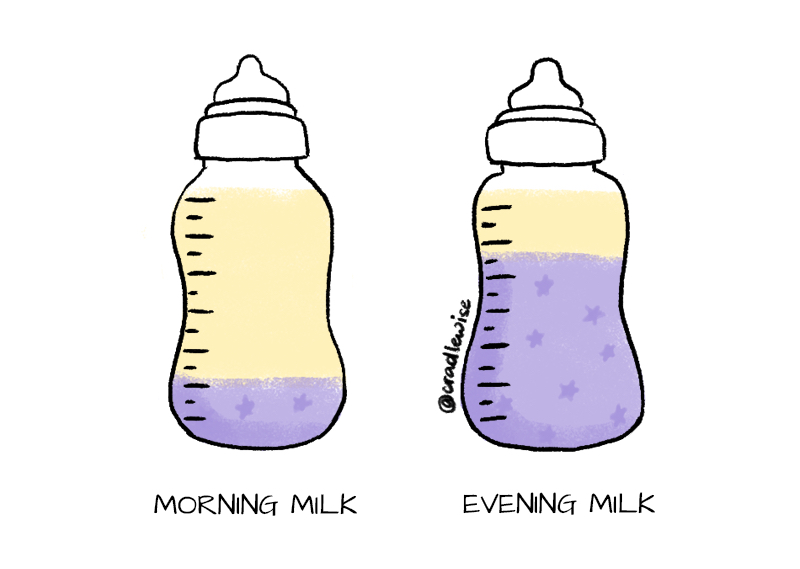
“ Cortisol and melatonin are not present in infant formula, however several nutrients and micronutrients, as well as fat, aid in circadian rhythm. Breast milk also varies in the content of certain hormones and nutrients depending on the time of day, which aids in infant sleep and circadian rhythm.”
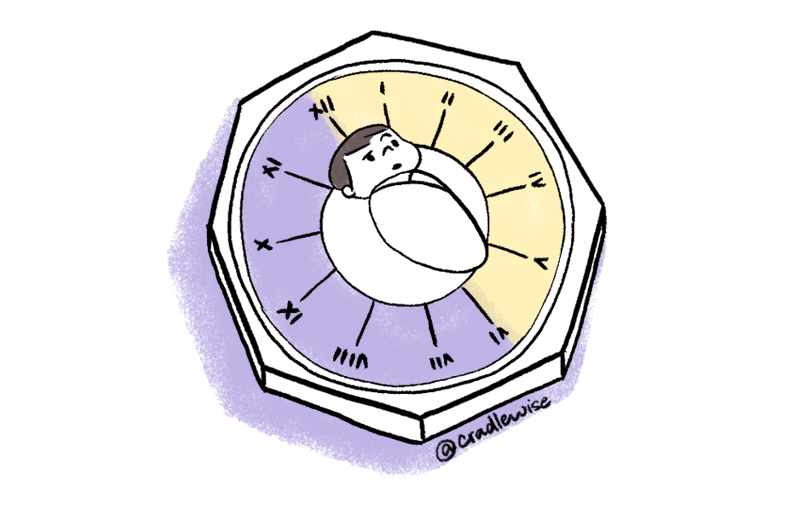
Unlike adults, babies are not born with the internal clocks that are synced with the sun, hence they don’t have a sense of day and night. They only start developing their circadian rhythm somewhere between three to four months of age. If you’re nursing, breast milk may play a key role in this development.
The composition of breast milk is dynamic in nature, as in, it changes throughout the day to meet the nutritional and other needs of the baby. Your morning breast milk has a hormone called cortisol in it, which helps babies become alert and awake during the day. And your breast milk in the evening is high in a hormone called melatonin (aka the sleep hormone), which helps the baby fall asleep.
Over the first three to four months of life, these hormones train your baby’s internal clock. Soon, they will start forming mature sleep patterns of feeling drowsy after sunset and awake at sunrise.
Does breastfeeding make you tired?
- The role of prolactin
According to this study by the National Library of Medicine, prolactin increases slow-wave sleep. Also, prolactin follows a circadian rhythm, which means it increases its secretion at night, and helps you with relaxation and rest.
Prolactin in breast milk helps induce sleep in the breastfeeding mom. When you breastfeed your baby, this hormone gets released into your bloodstream. So right after feeding, this hormone helps you fall asleep quickly and easily.
Prolactin also helps calm your nervous system and helps you relax and rest. It may help mothers feel calmer during the postpartum period.
- The high physical energy demand
Breastfeeding is a demanding (read tiring) activity. Producing milk uses a significant amount of your body’s energy; some estimate it upto 25% of your energy expenditure.
Studies have also found that breastfeeding mothers burn more than 500 additional calories per day to keep up with their little one’s nutritional demands.
- Sleep disruption
Your newborn’s inconsistent sleep wake cycles and nighttime feedings can lead to interrupted sleep. A disrupted sleep cycle along with the healing from childbirth and taking care of your newborn add to the overall fatigue of breastfeeding.
- Mental load
Along with actual feeding, you are also tracking feeding times, changing diapers, analyzing poop, dealing with latching issues and nipple soreness, and being overwhelmed with advice. This adds to the mental load and contributes to burnout.

Cradlewise Smart Crib
Smarter Sleep for Your Baby
An award-winning crib—loved by parents, approved by experts.
0 to 24 months of use
Automatic soothing
Built-in video & sound machine
AI-powered sleep insights
Customizable soundtracks
Get 2 extra hours of sleep nightly
Do breastfeeding mothers get more sleep?
As per a study conducted in 2014 iIn a 2014 study, women who breastfed exclusively averaged 30 minutes of extra nighttime sleep compared with women who fed their infants formula at night. That said, both formula-fed and breastfed babies in the study still woke up during the night to feed, resulting in about the same amount of interrupted sleep. Also, breastfeeding mothers can fall back asleep easily after breastfeeding, especially when new moms are room-sharing with their newborn, as recommended by the American Academy of Pediatrics (AAP) during the first six months of life. Breastfeeding mothers may be active and awake for shorter periods during the night, making it easier to fall back to sleep.
Prepping for baby’s arrival?
Ensure they (and you!) sleep better
from day one with Cradlewise.
SEE HOW IT WORKS

Prepping for baby’s arrival?
Ensure they (and you!)
sleep better from day one
with Cradlewise.
SEE HOW
Do formula-fed babies sleep longer at night?
There’s little evidence to support the claim that formula-fed babies sleep longer than breastfed babies, in terms of the total amount of sleep duration. However, since breast milk is more easily digestible than infant formula, babies who breastfeed are likely to wake up more frequently than formula-fed babies, as they will get hungrier faster. However, the melatonin in breast milk will facilitate their sleep, so right after the feeding, they’ll go back to sleep easily.
According to Rachel Mitchell, Certified Sleep Specialist and CEO of My Sweet Sleeper, “If your baby has trouble sleeping at night, you may have been told to add cereal to their bottle or to start supplementing with formula in order to help them get longer stretches. But multiple studies have shown there is no such correlation, and actually have shown that breastfeeding mothers and babies tend to get more sleep overall.”
Will feeding my baby more make him sleep longer?
Your baby will be able to sleep slightly longer at night if their tummy gets filled during the day, making them less hungry when they doze off. But your baby’s sleep depends more on their developmental stage than on how much they eat. “Feeds begin to space out a bit around one month, but the baby should still be getting at least eight feeds per day, until about four months when it may decrease to 6-8 times per day,” notes Lilu lactation expert Torey Potter, “After nine months, it may be as few as four times per day but could still be as many as eight.”
Does lack of sleep reduce breast milk?
Yes. A lot of factors can actually determine and can reduce your breast milk supply, and lack of sleep is one of them.
Oxytocin (along with prolactin) is a pivotal breastfeeding hormone. Oxytocin causes your milk to flow from your breasts. When you sleep less, your body becomes stressed which releases adrenaline in your system, and this adrenaline inhibits oxytocin. So feeling sleep- deprived, stressed, or anxious may reduce your breast milk supply.
Signs of breastfeeding fatigue
Regardless of how parents feed their newborns, it’s a fact that new parents sleep less (breastfeeding mothers at 6.41 hours and non-breastfeeding mothers at 6.19 hours), than 7-9 hours as recommended by the National Sleep Foundation. And, neither mothers’ nor fathers’ sleep fully recovers to prepregnancy levels up to 6 years after the birth of their first child, as per this study by the Sleep Research Society.
While exhaustion is common for parents in the newborn stage, breastfeeding fatigue can feel deeper than just “being tired.”
Watch for:
- Your physical exhaustion that does not improve even after resting or sleeping for short periods.
- You have difficulty concentrating, you forget often, or frequent brain fog that makes simple tasks feel harder than usual.
- You feel irritable or emotionally sensitive beyond typical sleep deprivation.
- You experience frequent headaches, muscle aches, or generalized body soreness without another clear cause.
- You feel wired, anxious, or unable to fall asleep even when your baby is sleeping.
- There are noticeable dips in your milk supply during periods of high stress or extreme fatigue.
- You rely heavily on caffeine or sugar just to get through the day.
- The feeling of overwhelm by routine caregiving tasks that previously felt manageable.
If fatigue is severe, ongoing, or accompanied by mood changes and accompanied by persistent sadness, anxiety, irritability, or feelings of hopelessness, it’s important to speak with your healthcare provider. Iron deficiency, thyroid issues, and postpartum mood disorders can sometimes mimic normal “new mom tiredness.”
Tips for coping with breastfeeding fatigue
According to Mitchell, the fourth trimester is a huge adjustment for the entire family, but especially for mom and baby. This is one of the reasons why it is so important for women to have support from their partner, their family, and their community, so they can properly care for themselves while taking care of their baby.
- Sleep in shifts if possible. Divide the night with a partner so each adult gets one uninterrupted 3 to 4 hour stretch, which can significantly improve mood and cognitive function.
- Nap strategically during the day. Short 20 to 30 minute naps during your baby’s longest daytime sleep can restore energy without leaving you groggy.
- Try side-lying feeds at night safely. Feeding in a side-lying position, while following safe sleep guidelines, may help you stay drowsy and fall back asleep faster.
- Keep nighttime feeds calm and low stimulation. Use dim lighting and avoid phones or bright lights to help your body return to sleep more easily.
- Accept help without guilt. Let others handle meals, chores, or baby holding so you can focus on feeding, healing, and resting.
- Hydrate consistently throughout the day. Drink water during every nursing session since dehydration can worsen fatigue and headaches.
- Lower expectations around productivity. The newborn stage is about recovery, not efficiency. Protecting your energy matters more than finishing tasks.
Can foods support energy and lactation?
While there’s no magical food that eliminates exhaustion, but steady blood sugar and nutrient-dense meals can make a noticeable difference.
Energy-supporting, lactation-friendly foods:
- Complex carbohydrates (oats, quinoa, brown rice) for sustained energy due to fiber content
- Healthy fats (avocado, nuts, seeds, olive oil) to support hormone balance
- Protein-rich foods (eggs, lentils, yogurt, chicken, tofu) for muscle repair and fullness
- Iron-rich foods (spinach, beans, red meat) to combat postpartum anemia
- Hydrating foods (soups, fruits, barley water, coconut water) to support fluid balance
Small, frequent meals are often more helpful than large, infrequent ones, especially during cluster-feeding weeks. However, simply concentrating on eating nutrient-dense meals doesn’t help unless you keep a few exhaustion-amplifying habits in check.
Foods and habits that may worsen fatigue:
- Excess caffeine can disrupt both maternal and infant sleep
- High-sugar snacks cause energy crashes
- Skipping meals
- Severe calorie restriction while breastfeeding
- Dehydration
- Alcohol close to bedtime can lead ot fragmented sleep
Final thoughts
Whether you’re breastfeeding, formula feeding, or somewhere in between, exhaustion is part of the transition. What matters most is remembering that protecting your rest is essential, especially in the early postpartum months. For your milk supply. For your recovery. For your mental health. And for the tiny human who depends on you.
Sleep will stretch. Nights will consolidate. And this season, however tiring, is temporary. Until then, support, nourishment, and small pockets of rest can carry you through.
FAQs
Q: Does breastfeeding drain your energy?
A: Yes, breastfeeding does drain your energy. When your body is producing milk, it requires a lot of energy, burning around 500-700 calories extra per day.
Q: Does sleeping through the night reduce milk supply?
A: No, your milk supply doesn’t reduce when your baby sleeps through the night. As your baby grows older, they will able to take in more milk during the day as they sleep more at night.
According to Lilu’s Lactation Expert, Torey Potter, “Full breasts send the body a signal to slow down on milk supply. However, a baby sleeping through the night shouldn’t reduce milk supply so long as the breasts are being regularly emptied throughout the rest of the day and the longer interval between emptying doesn’t happen very suddenly.”
Q: Do you produce more breast milk while sleeping?
A: Yes. The prolactin levels in breastfeeding women are much higher at night, especially in the early morning hours leading to more milk. If you’re pumping to build up a supply for work, try to do it in the morning when your supply is the highest.
Q: Will feeding a baby more make him sleep longer?
A: Torey Potter weighs in decisively on this question: “No, feeding a baby won’t make them sleep longer. Young babies need to eat frequently and it’s biologically normal for young babies to wake to feed overnight.”
Newborns should be fed at least every three hours until they get back to their birth weight, and after that, they can be allowed to sleep, but will still probably not sleep longer than about four hours at a time.
Q: Is breastfeeding while lying down a good idea?
A: Yes, it’s a great way to rest your body while feeding, and many moms find it very comfortable and restful once they get the hang of it,” Torey Potter says. “They should be mindful of safe bedsharing practices while side lying to feed their baby if they think they might fall asleep.”
You may also like:
- Can you overfeed a newborn?
- What are the 3 types of breast milk? A guide for curious parents
- 8 myths I believed about baby sleep before I became a parent
Sources:
- Breastfeeding baby at night. 2014. NIH. “Nighttime Breastfeeding Behavior Is Associated with More Nocturnal Sleep among First-Time Mothers at One Month Postpartum.”
- Post-partum sleep satisfaction. 2019. NIH. “Long-term effects of pregnancy and childbirth on sleep satisfaction and duration of first-time and experienced mothers and fathers.”
- Energy consumption during breastfeeding. La Leche League International. “Weight Loss–for Mothers.”
- Maternal sleep in the postpartum period. Sleep Health: Journal of the National Sleep Foundation. 2024. Fathers’ sleep in the first 24 months postpartum: A systematic review and meta-analysis of global data.
- Prolactin and Oxytocin. National Library of Medicine. 2022. Does breastfeeding influence sleep? A longitudinal study across the first two postpartum years.
You may also like


